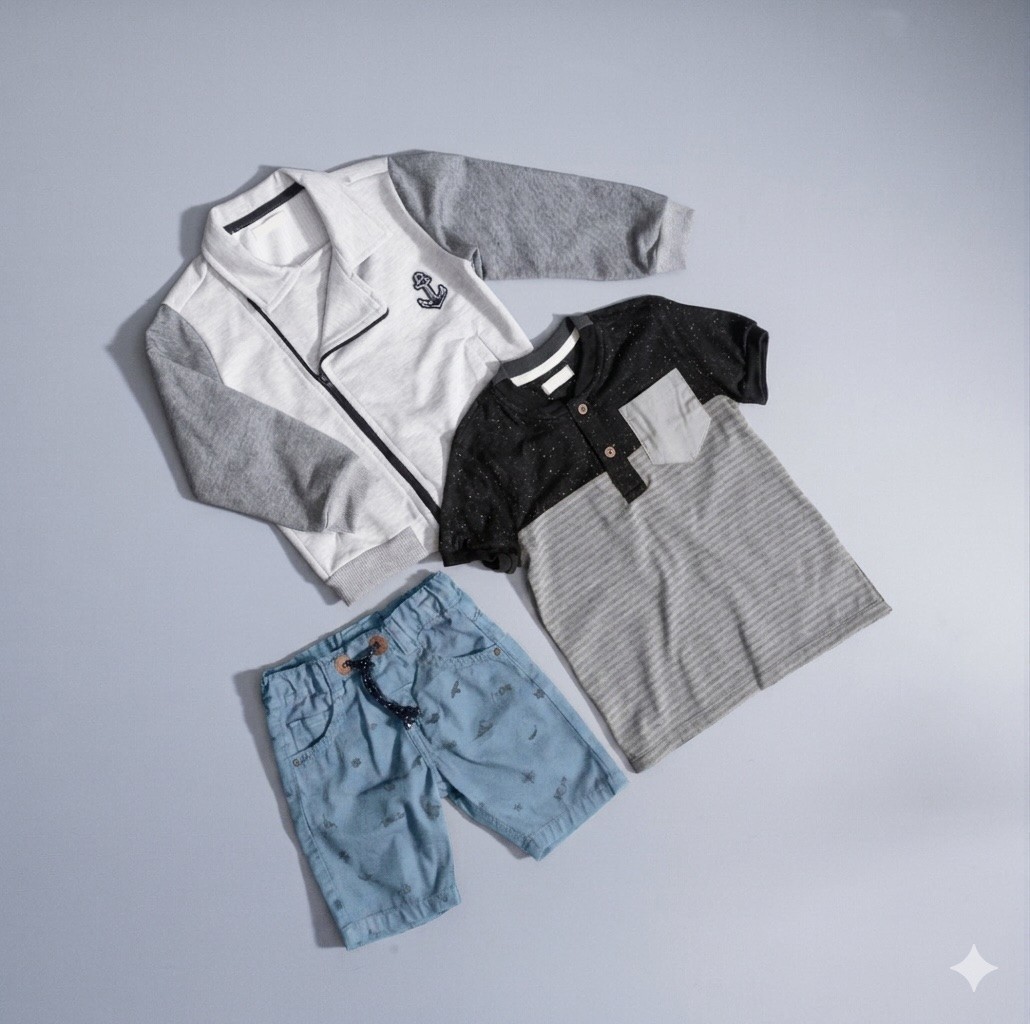
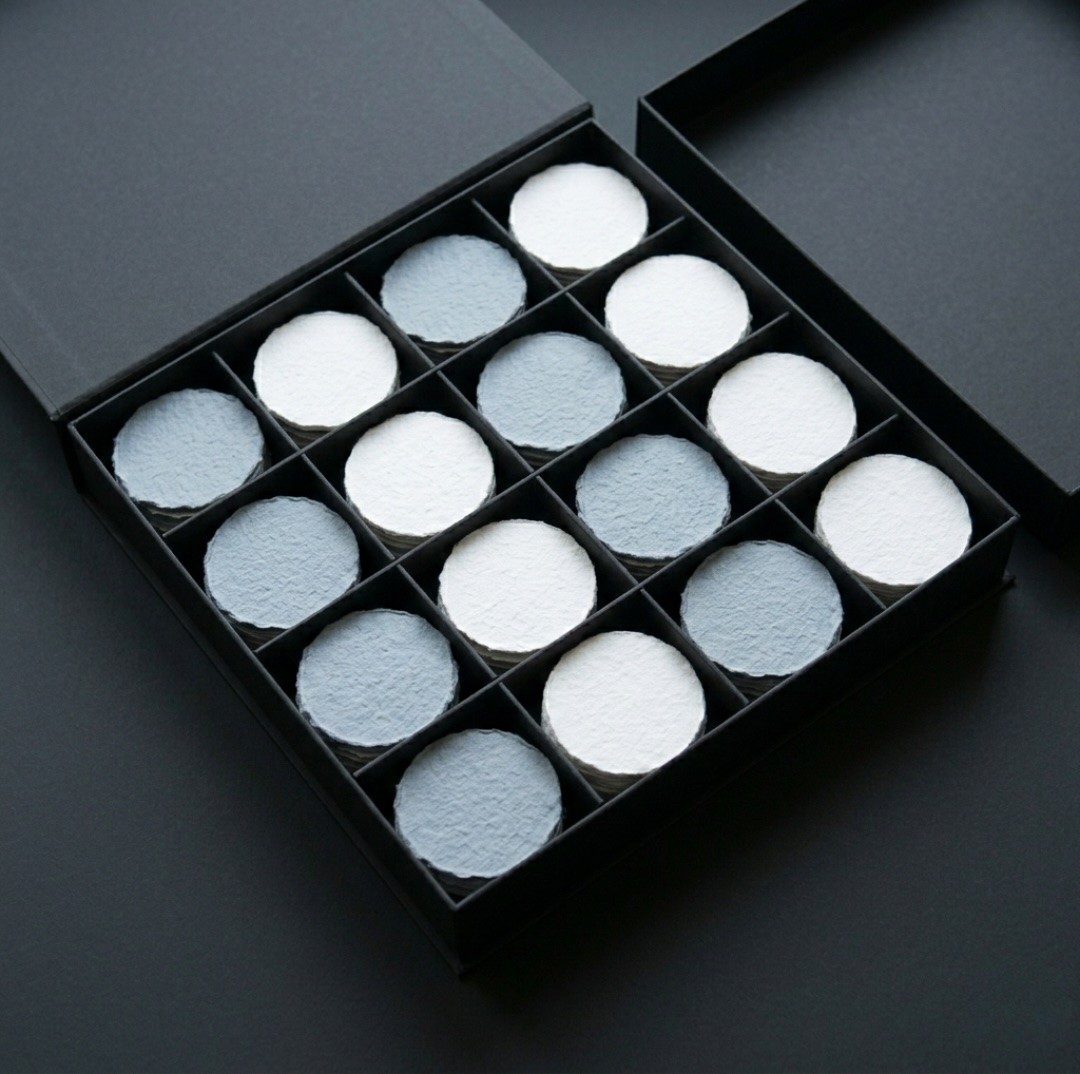
Sorted Fiber Material from Textile Waste

FiberFlow separates mixed post-consumer textiles into clean, material-specific fractions - polyester, cotton, polyamide and more - ready to feed directly into your recycling process.
About

Recycling starts with the right Feedstock.

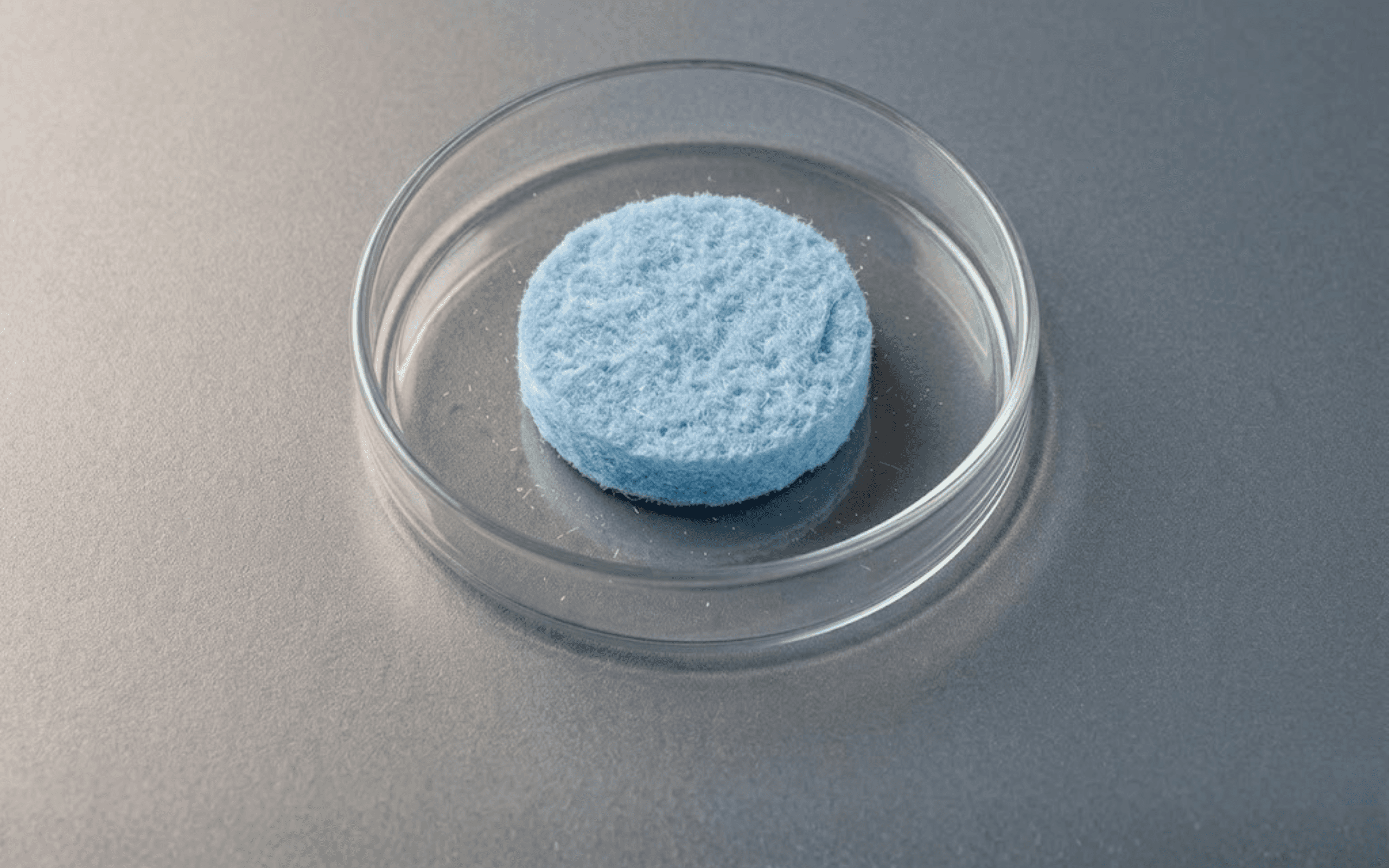
Post-consumer textiles arrive as mixed-fiber blends – polycotton, polyester-polyamide, and other multi-component composites. Chemical, thermo-mechanical and biological recycling processes require feedstock within tight compositional tolerances, and manual garment sorting cannot deliver that. FiberFlow separates textile waste at the fiber level, giving your process the purity and consistency it needs.
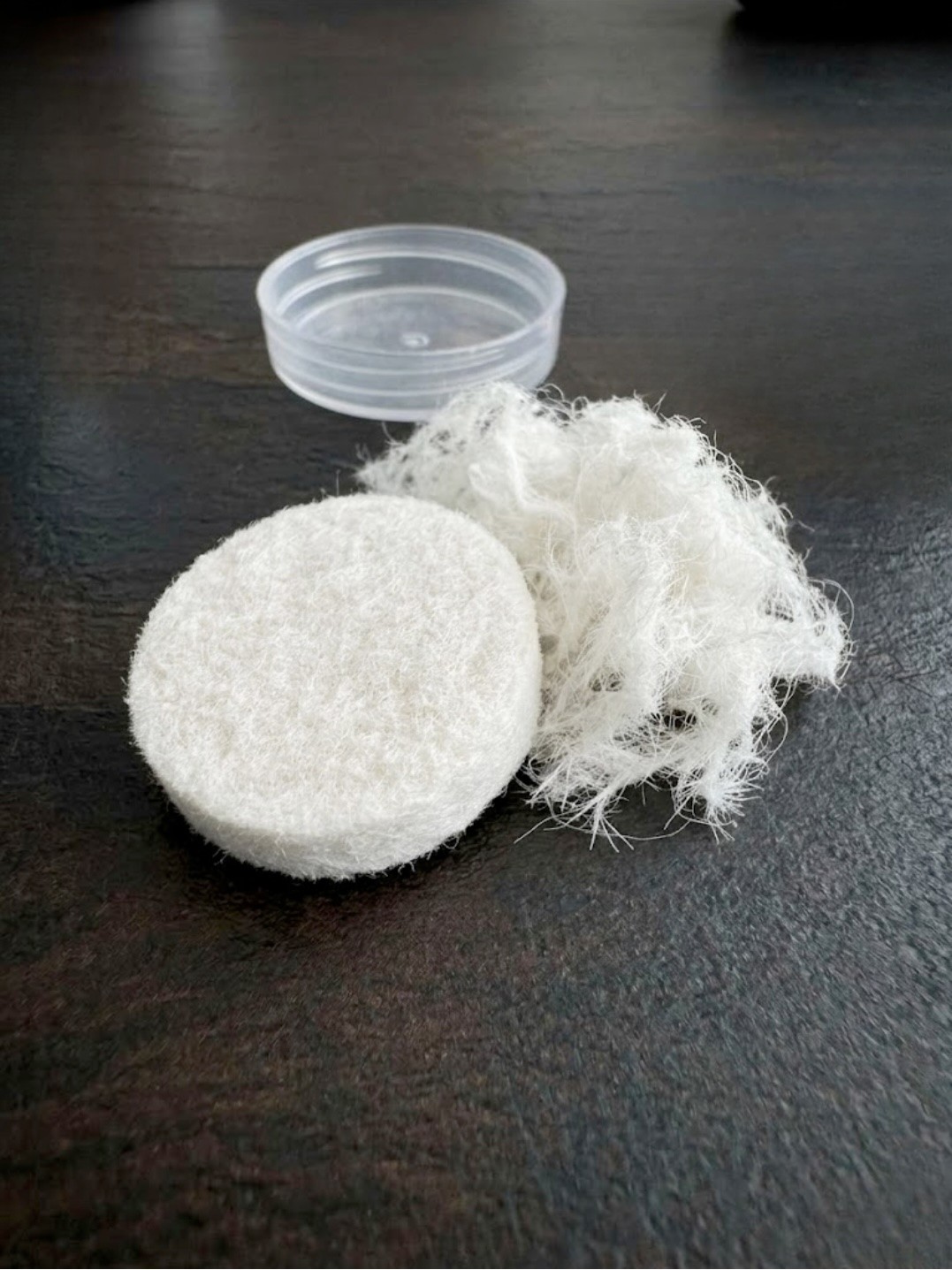
Short-staple fibers with high specific surface area

up to 99%

feedstock purity achievable

Ideal for chemical, biological or thermo-mechanical recycling

Ideal for chemical, biological or thermo-mechanical recycling

Ideal for chemical, biological or thermo-mechanical recycling

Recovered from mixed textile waste

Recovered from mixed textile waste

Our Products

Six Materials,
One Process

You bring the recycling expertise – we deliver the feedstock. Here is what sorted fiber fractions can enable.

Cotton

Short-staple cotton fibers with high specific surface area. Suitable for lyocell production, enzymatic hydrolysis, and other surface-sensitive processes.

Polyester

Polyester fibers suitable for chemical depolymerization, glycolysis, and thermo-mechanical reprocessing into pellets.

Polyamide

Polyamide fibers suitable for hydrolytic and aminolytic depolymerization as well as thermo-mechanical recycling.

Acrylic

Acrylic fibers suitable for melt-spinning or chemical recycling.

Polypropylene

Polyolefin fibers suited for thermo-mechanical recycling and melt-spinning into new fiber or nonwoven applications.

Elastane

Elastane fibers suitable for chemical recycling processes.

Cotton

Short-staple cotton fibers with high specific surface area. Suitable for lyocell production, enzymatic hydrolysis, and other surface-sensitive processes.

Polyester

Polyester fibers suitable for chemical depolymerization, glycolysis, and thermo-mechanical reprocessing into pellets.

Polyamide

Polyamide fibers suitable for hydrolytic and aminolytic depolymerization as well as thermo-mechanical recycling.

Acrylic

Acrylic fibers suitable for melt-spinning or chemical recycling.

Polypropylene

Polyolefin fibers suited for thermo-mechanical recycling and melt-spinning into new fiber or nonwoven applications.

Elastane

Elastane fibers suitable for chemical recycling processes.

Cotton

Short-staple cotton fibers with high specific surface area. Suitable for lyocell production, enzymatic hydrolysis, and other surface-sensitive processes.

Polyester

Polyester fibers suitable for chemical depolymerization, glycolysis, and thermo-mechanical reprocessing into pellets.

Polyamide

Polyamide fibers suitable for hydrolytic and aminolytic depolymerization as well as thermo-mechanical recycling.

Acrylic

Acrylic fibers suitable for melt-spinning or chemical recycling.

Polypropylene

Polyolefin fibers suited for thermo-mechanical recycling and melt-spinning into new fiber or nonwoven applications.

Elastane

Elastane fibers suitable for chemical recycling processes.

Pioneer Program

Not sure if our feedstock fits your process?

Not sure if our feedstock fits your process?

We're scaling from lab to production and opening early access to our first sample batches. If you run a thermo-mechanical, chemical, or biological recycling process – let us prove that our feedstock is exactly what your process needs.

We're scaling from lab to production and opening early access to our first sample batches. If you run a thermo-mechanical, chemical, or biological recycling process – let us prove that our feedstock is exactly what your process needs.

Partners & Funding

Early-stage, but not without backing.

Backed by public funding and private investment, FiberFlow is building the infrastructure textile recycling needs.
  • Technology Startup Grant

    The ESF Plus Technology Start-up Grant from SAB Saxony is supporting FiberFlow in transforming our separation process for mixed textile waste from a research project into a market-ready product, co-financed by the European Union.

    Saxon Development Bank

    Public Funding

    1/3

  • EXIST Startup Grant

    The EXIST startup grant from the Federal Ministry of Economics enabled FiberFlow to develop its first prototypes, thereby laying the technological foundation for the company's subsequent launch.

    German Federal Ministry for Economic Affairs and Energy (BMWE)

    Public Funding

    2/3

  • Business Angel Bonus

    The construction of our demonstrator plant for fiber-pure sorting of textile waste is supported through the "Business Angel Bonus" funding program. This project is co-funded by the Sächsische Aufbaubank (SAB) and by the European Union through the Just Transition Fund (JTF).

    Saxon Development Bank & European Union

    Public Funding

    3/3

  • Technology Startup Grant

    The ESF Plus Technology Start-up Grant from SAB Saxony is supporting FiberFlow in transforming our separation process for mixed textile waste from a research project into a market-ready product, co-financed by the European Union.

    Saxon Development Bank

    Public Funding

    1/3

  • EXIST Startup Grant

    The EXIST startup grant from the Federal Ministry of Economics enabled FiberFlow to develop its first prototypes, thereby laying the technological foundation for the company's subsequent launch.

    German Federal Ministry for Economic Affairs and Energy (BMWE)

    Public Funding

    2/3

  • Business Angel Bonus

    The construction of our demonstrator plant for fiber-pure sorting of textile waste is supported through the "Business Angel Bonus" funding program. This project is co-funded by the Sächsische Aufbaubank (SAB) and by the European Union through the Just Transition Fund (JTF).

    Saxon Development Bank & European Union

    Public Funding

    3/3

  • Technology Startup Grant

    The ESF Plus Technology Start-up Grant from SAB Saxony is supporting FiberFlow in transforming our separation process for mixed textile waste from a research project into a market-ready product, co-financed by the European Union.

    Saxon Development Bank

    Public Funding

    1/3

  • EXIST Startup Grant

    The EXIST startup grant from the Federal Ministry of Economics enabled FiberFlow to develop its first prototypes, thereby laying the technological foundation for the company's subsequent launch.

    German Federal Ministry for Economic Affairs and Energy (BMWE)

    Public Funding

    2/3

  • Business Angel Bonus

    The construction of our demonstrator plant for fiber-pure sorting of textile waste is supported through the "Business Angel Bonus" funding program. This project is co-funded by the Sächsische Aufbaubank (SAB) and by the European Union through the Just Transition Fund (JTF).

    Saxon Development Bank & European Union

    Public Funding

    3/3

FAQ

Frequently Asked Questions

Everything you need to know about FiberFlow before getting started.

What fiber purity levels can you achieve?

We achieve fiber purity levels of up to 99%, verified by FTIR spectroscopy across multiple measurement points per sample. Higher purity requires additional processing cycles – we work with you to find the right balance between specification and cost.

What volumes can you deliver?

What form does the sorted material come in?

How do I join the Pioneer Program?

What stage are you at and where are you based?

What types of textile waste do you process and where does it come from?

Be the First with Clean Feedstock

Joing the Pioneer Program and be among the first recyclers to receive sorted textile fiber samples.